 Free MTR Station Pickup & Collection Service
 Same-day delivery in as little as 4 hours. WhatsApp for inquiries
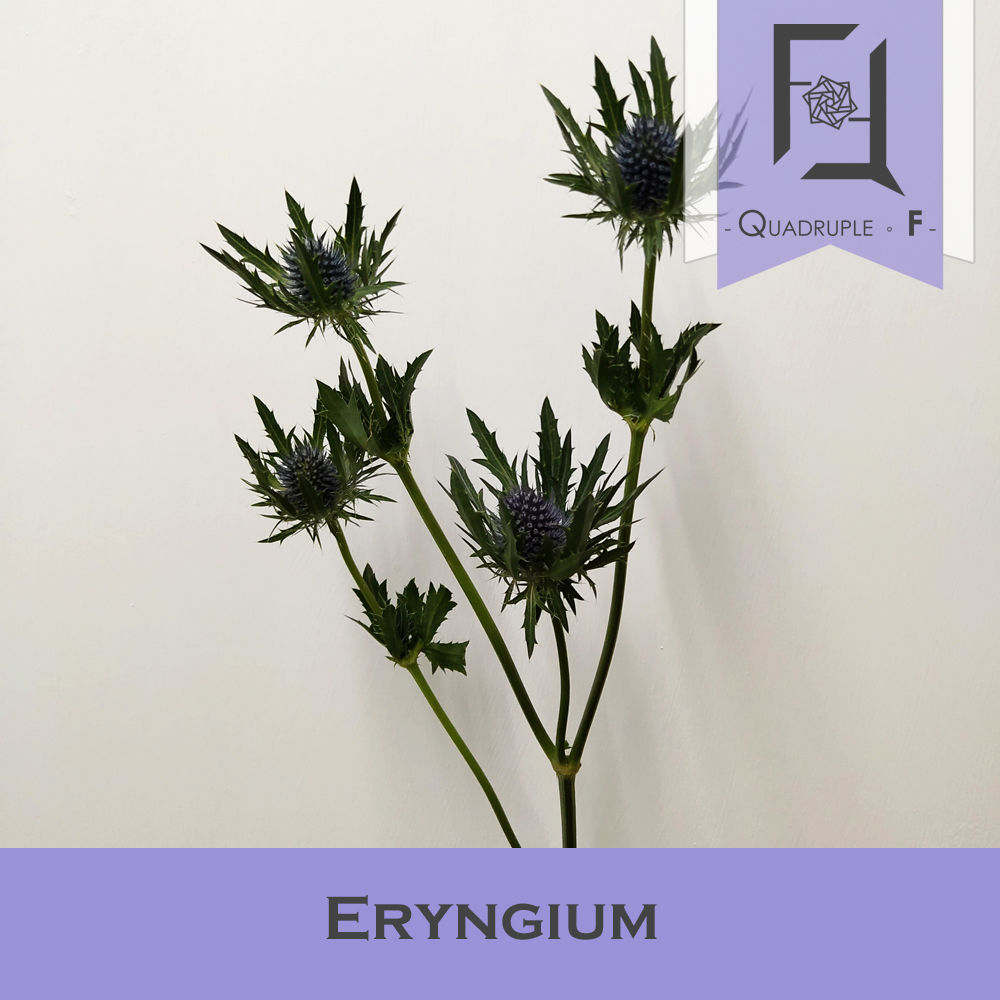
Eryngium, “紫毛球” in Chinese, also known as Sea Holly or Thistle, gets its name from its flower heads covered in fine prickles, looking like tiny sea urchins from a distance. The flower heads are umbrella-shaped and spiky, paired with star-shaped, prickly leaves.
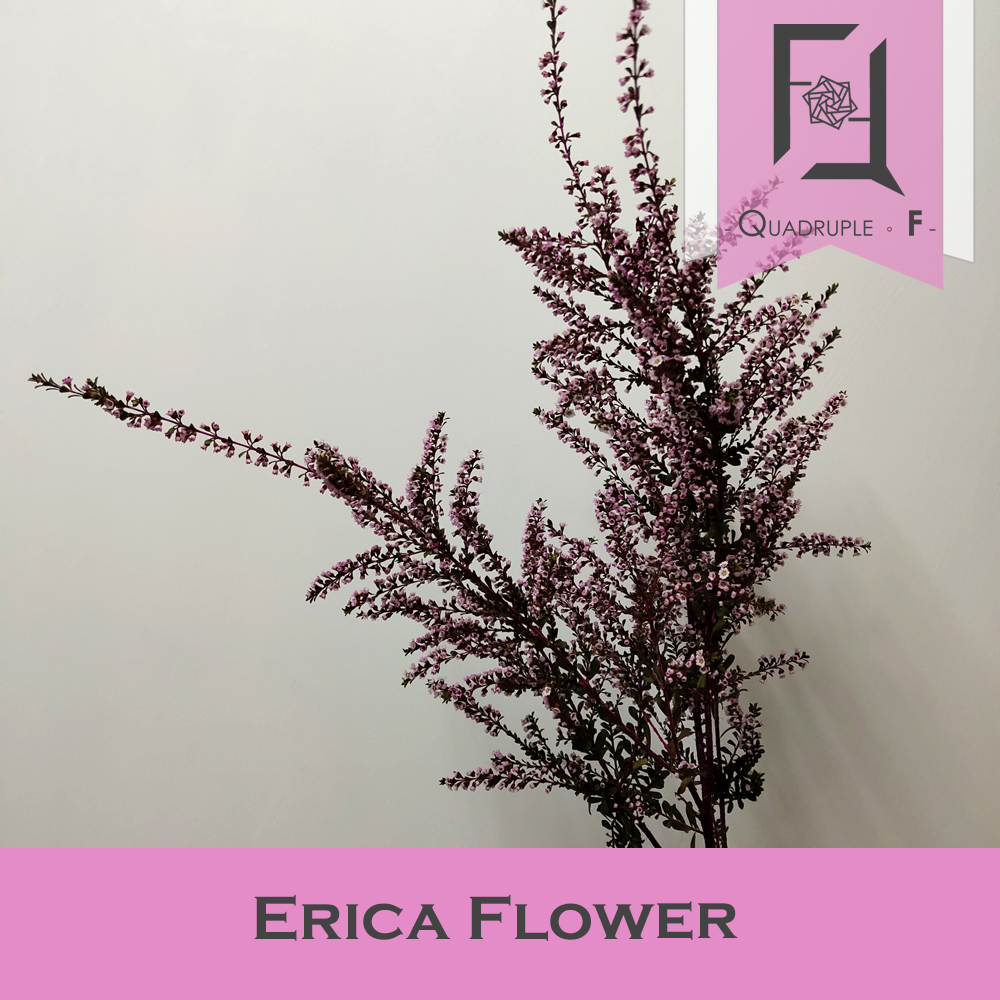
Introduction and Applications of Erica
Erica, “石楠 (珍珠)” in Chinese, also known as Pearl Heath and native to South Africa, is a unique floral material. Its petals and sepals have a texture similar to Wintersweet, possessing a slightly waxy feel, while the stems are woody.
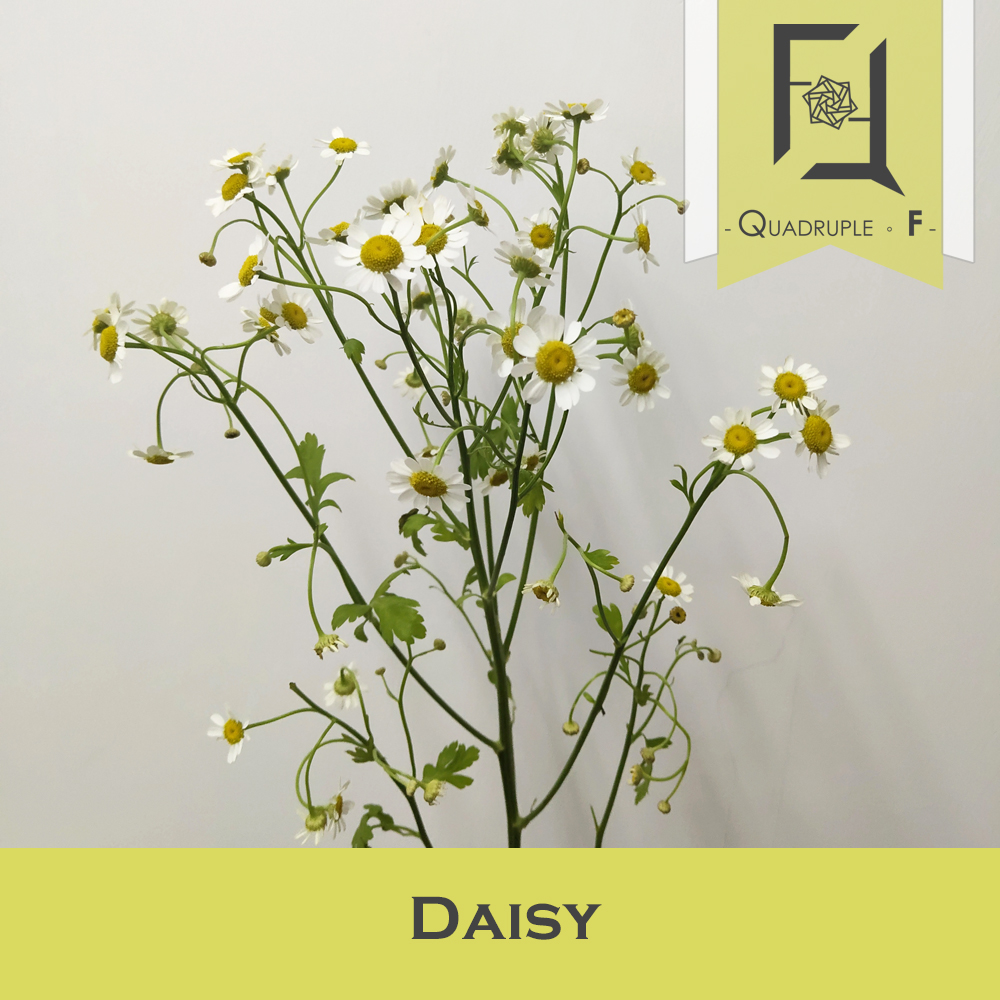
Introduction and Cares to Chamomile Daisy
Chamomile Daisy, also known as Chamomile, is a floral material full of freshness and carries a unique herbal fragrance. Its stems are multi-headed, covered with adorable, delicate small flowers. The slightly plump yellow flower centers are incredibly cute.
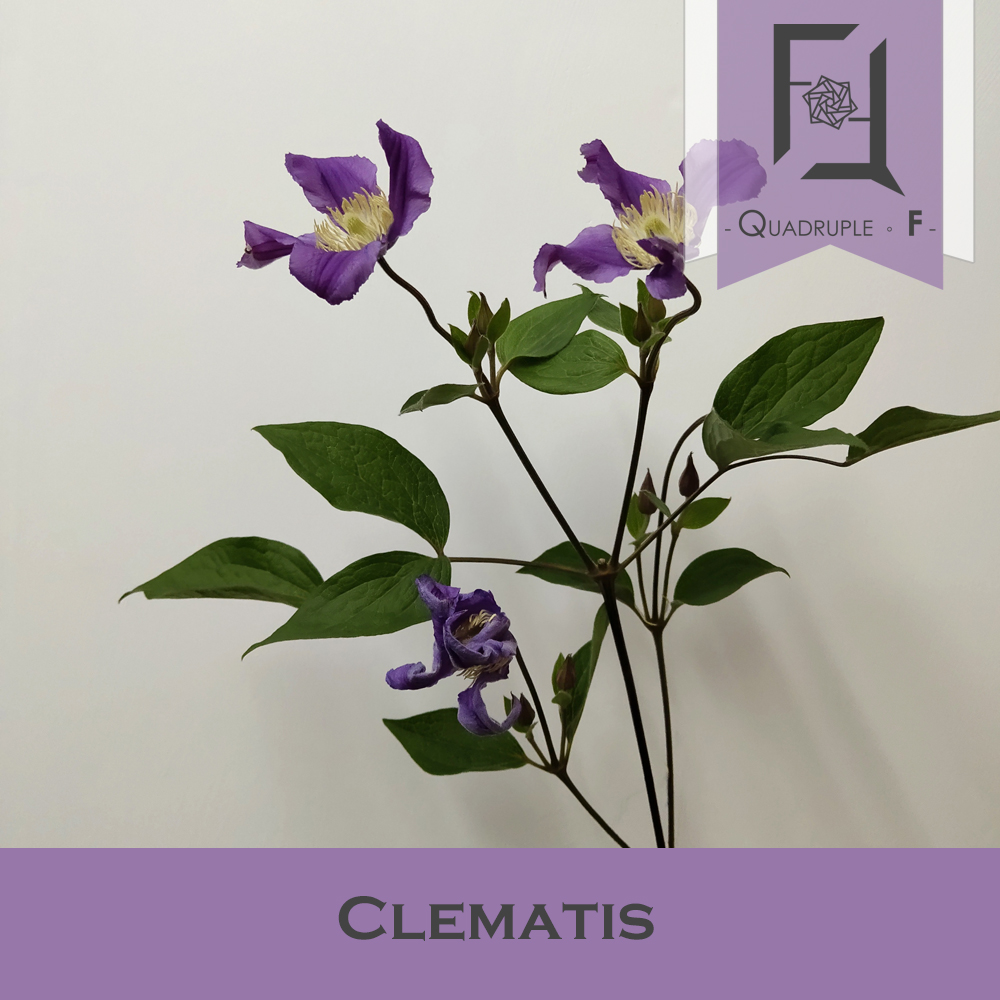
Introduction and Applications to Clematis
Clematis is an exceptionally elegant floral material with slender stems, belonging to the genus of climbing vines. In the market, it is commonly found in deep or light purplish-blue and purplish-red hues; occasionally, light pink varieties appear. Flowers with four or six petals are both frequently seen.
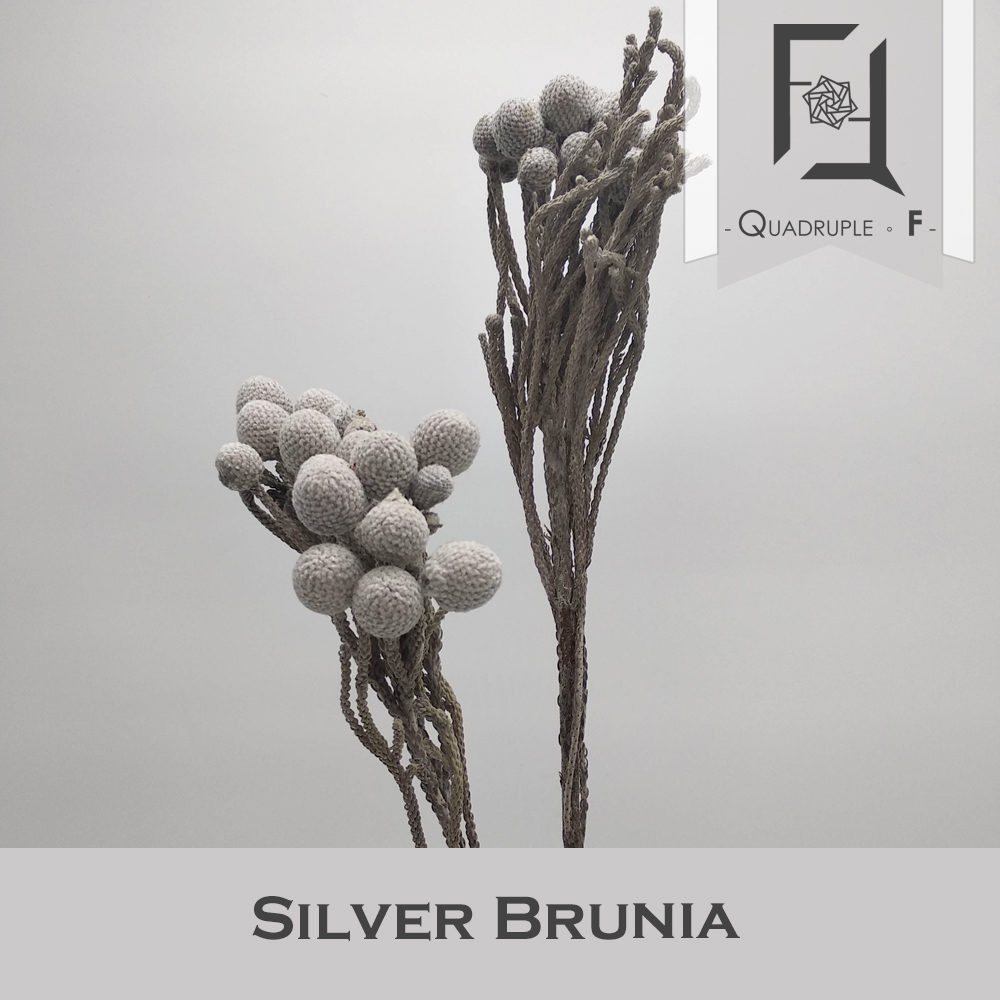
Brunia: Introduction and Application
Brunia, a branch and fruit flower material, looks small and cute on shape. Brunia in the state of cut flowers is basically the same as the one in the state of dried flowers.
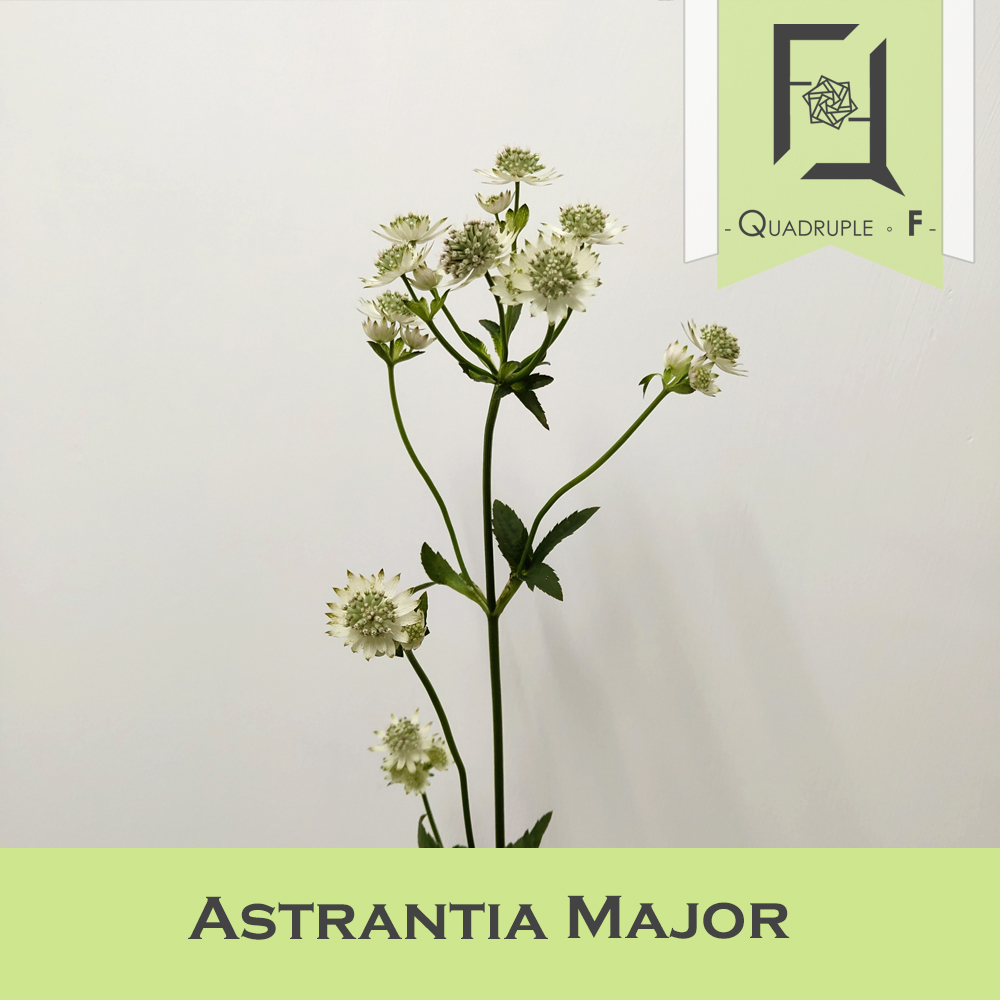
Astrantia Major: Introduction and Cares
Astrantia,”珍珠” in Chinese, means star in Latin. The flower head of the Astrantia is stellate with umbrella-shaped, the outer layer of the flower head which look like the petals ais actually the calyxs, and it feel papery when you touch it. The middle of the flower head composed of multiple small flowers which are the real flowers of Astrantia.
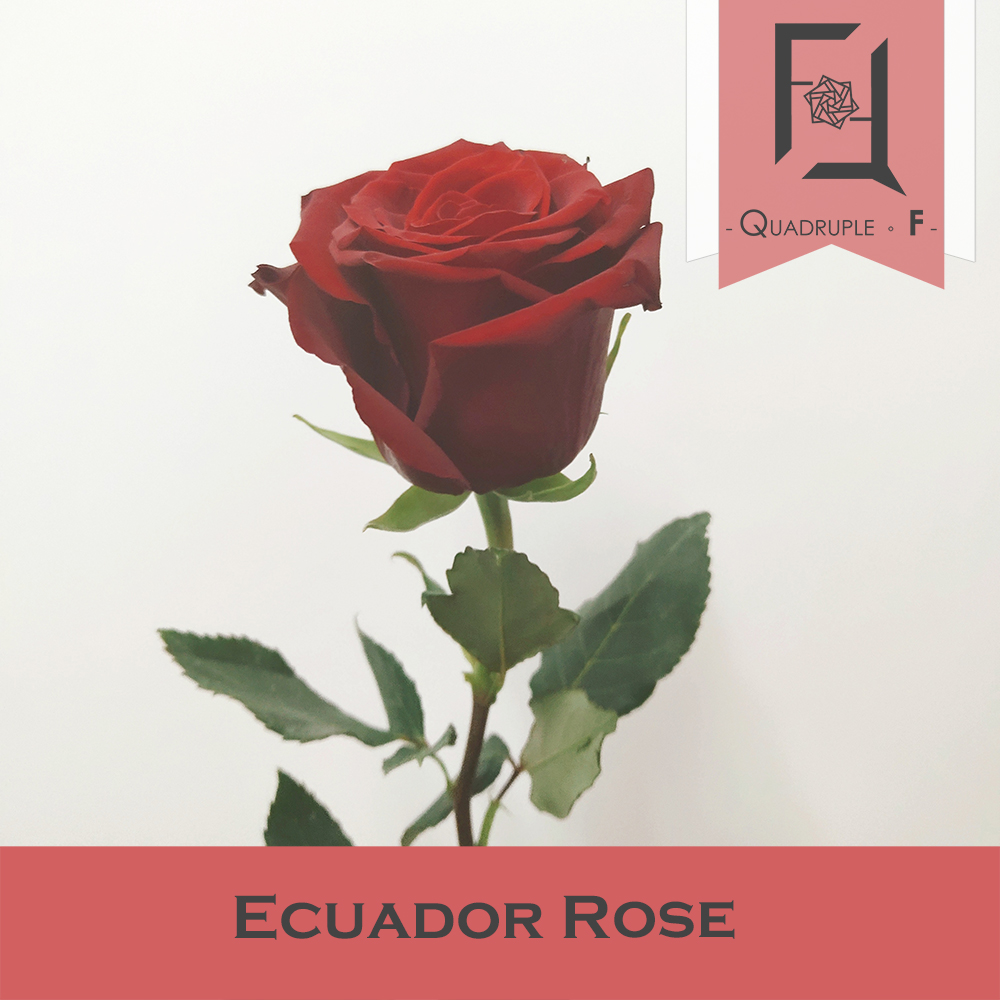
Ecuador Rose - Some secrets You need to Know About Rose
The flower story about Rose. Introduce about the Background and Advantages of Ecuador Rose. Also, The Meaning of Rose and how to maintain it.
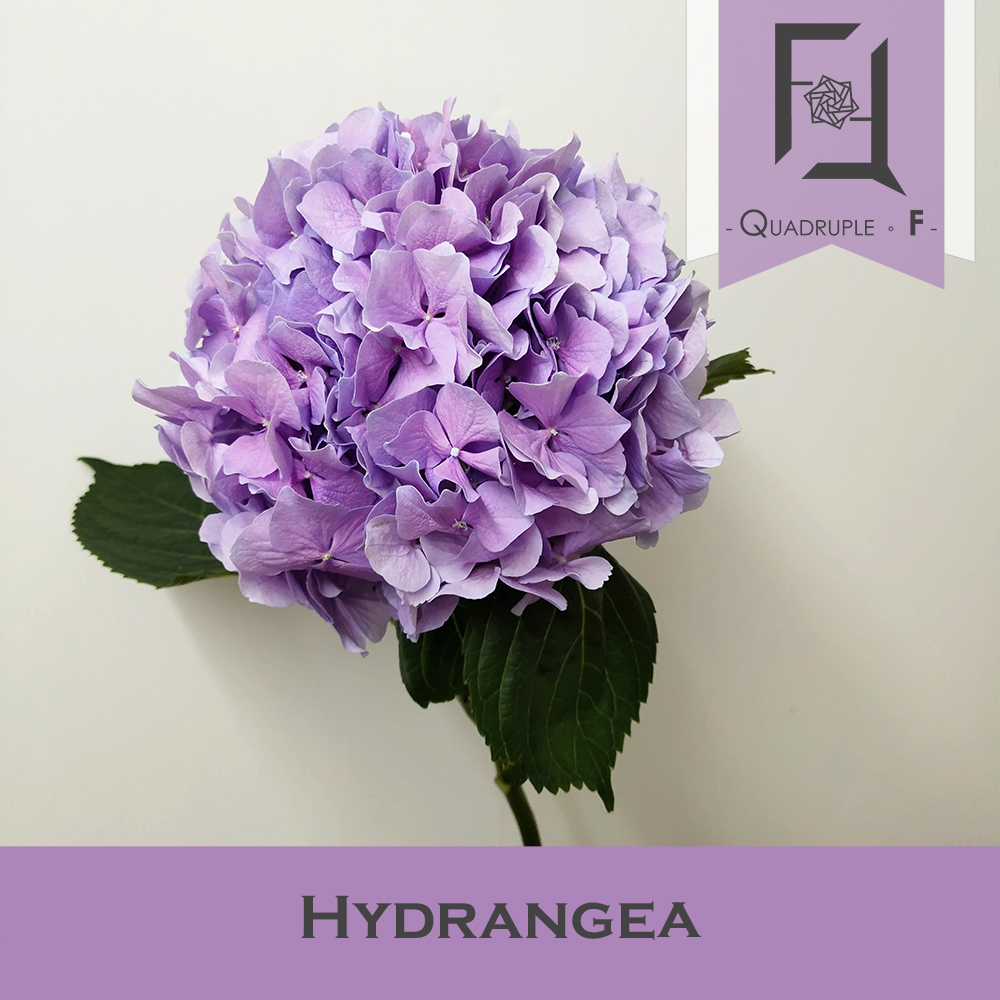
Hydrangea: A Guide to Their Amazing Colors, Meanings
Hydrangeas, also known as “Eight Immortals Flowers” or “Azaleas”, are commonly seen in the summer. In the fall, there are a limited number of autumn-colored varieties, while they are generally less common in other seasons.
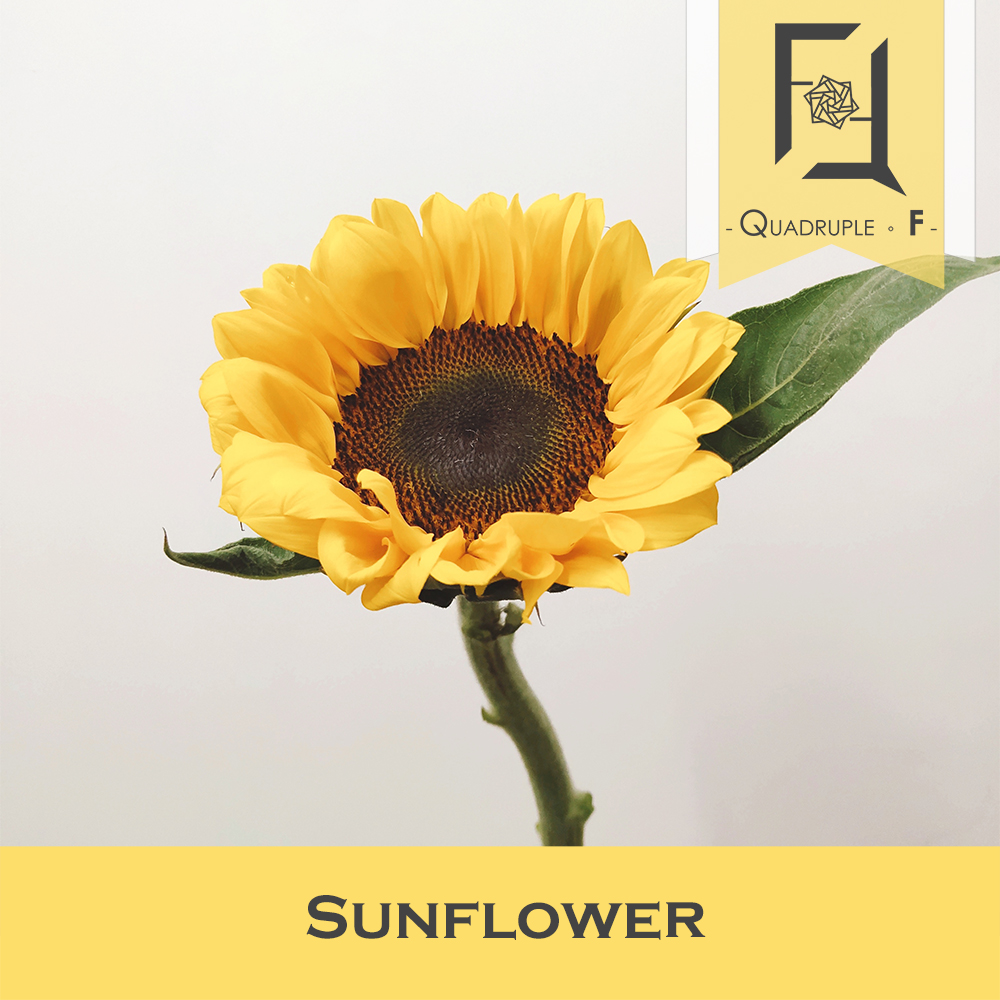
Sunflowers and Their Relatives: A Fascinating Look into the Asteraceae Family
Sunflowers have the habit of growing by following the sunlight, which is why they are called sunflowers; some also refer to them as “sun blooms”. Because of this light-tracking characteristic, sunflowers are often used as the centerpiece in graduation bouquets.